|
|
|
This short survey will help us improve AeroTime Insights and tailor it to what you want to read. It takes just 2–3 minutes, and all responses are anonymous. |
| Share your feedback |
|
|
Windracers CEO says drone developer only at the ‘foothills of this technology’ |
|
by Ian Molyneaux |
|
|
 |
|
From the barren skies of Antarctica to the frontlines of Ukraine’s defense against Russia’s invading forces, Windracers’ ULTRA heavy-lift drone has proven to be an extremely versatile and adept unmanned aerial vehicle (UAV).
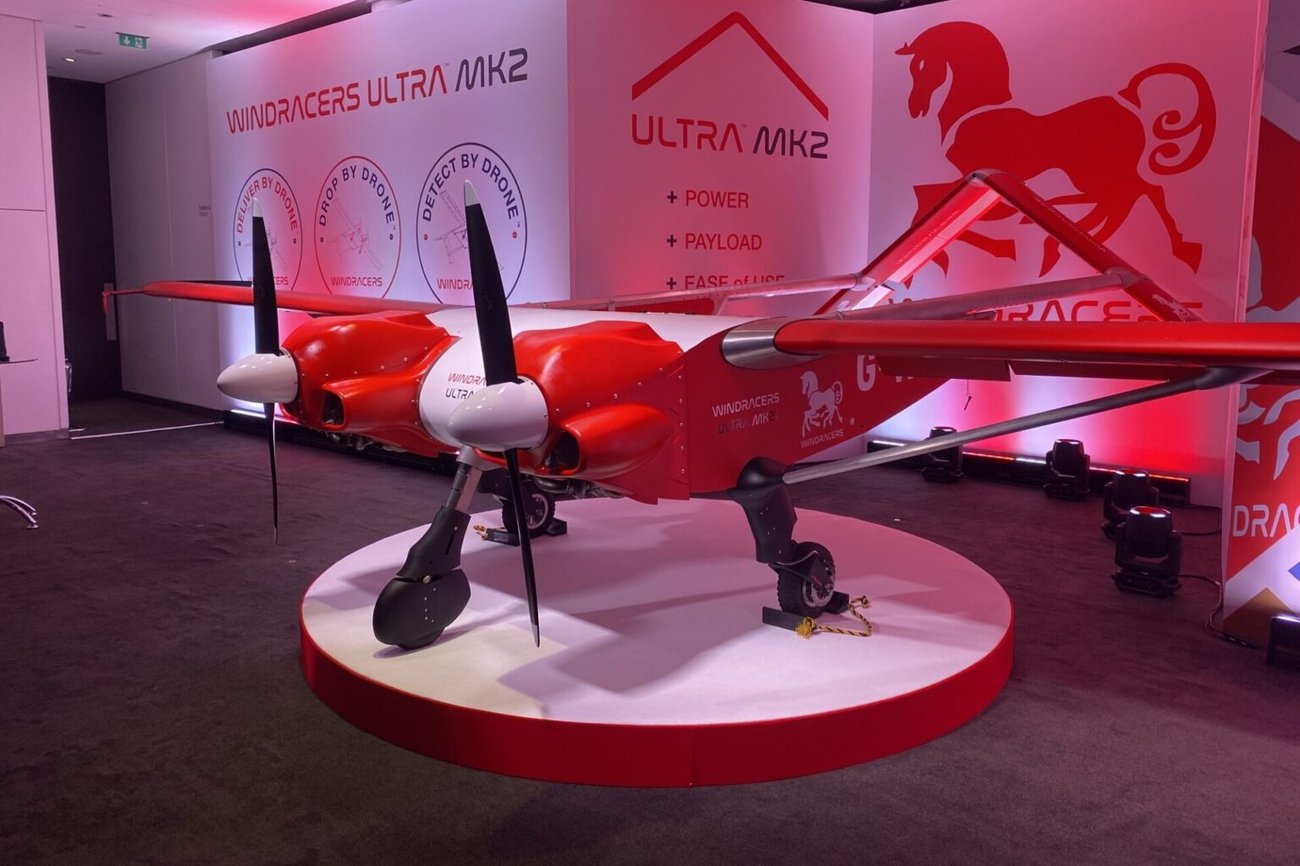
In January 2025, Windracers unveiled its current UAV, the ULTRA MK2, a 10m-wingspan drone developed at Southampton University, UK, capable of travelling up to 1,000 km at 77 knots with a cargo capacity of 150kg.
The ULTRA MK2 was a significant advancement on Windracers’ first drone to reach the market, ULTRA MK1, with the latest iteration offering double the power output, bringing a 50% increase in useful payload as well as a significant reduction in fuel cost.
In a year that has seen Windracers also recognized as a trusted partner by the UK government and NATO and the opening of a new 22,000 sq m facility in Fareham, there are clear signs that momentum behind the company is growing.
|
|
|
|
|
|
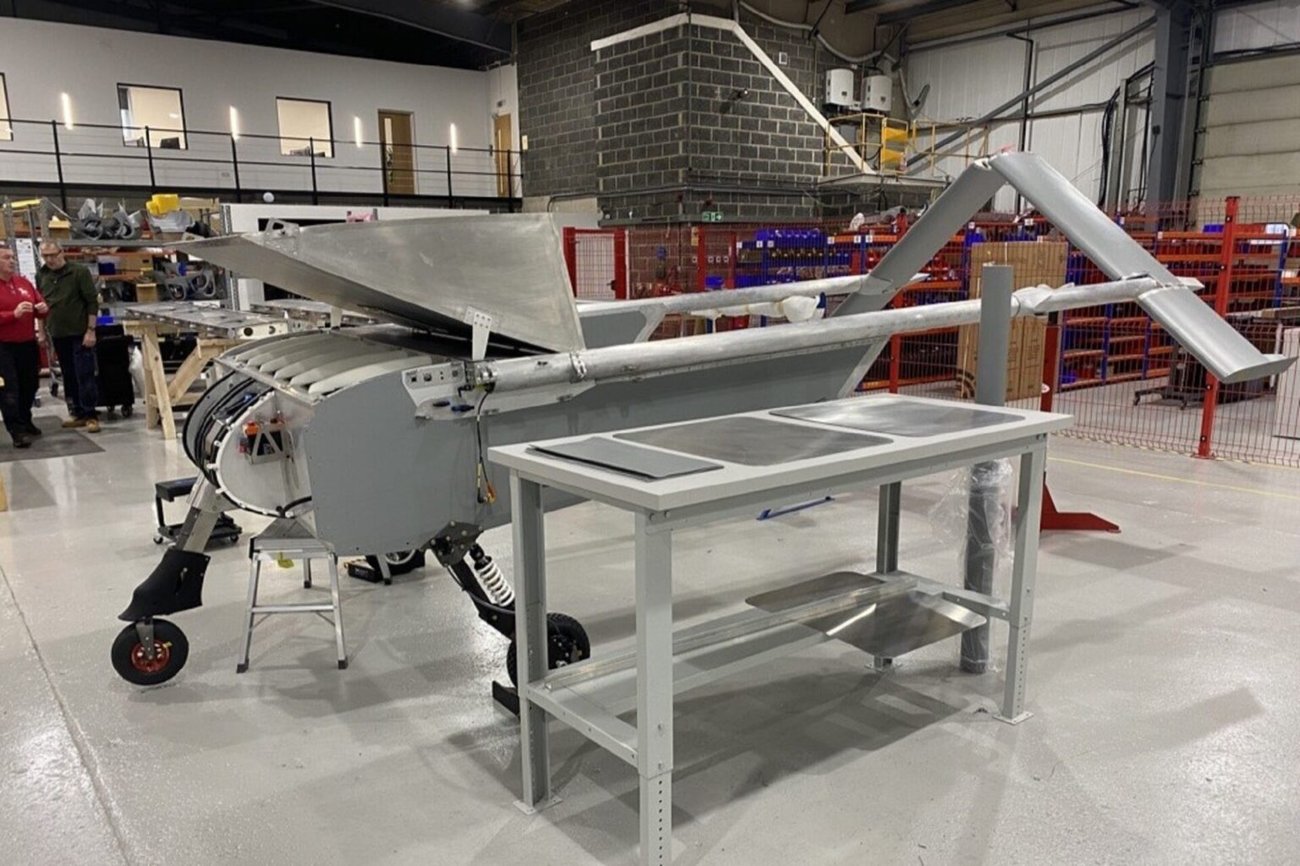
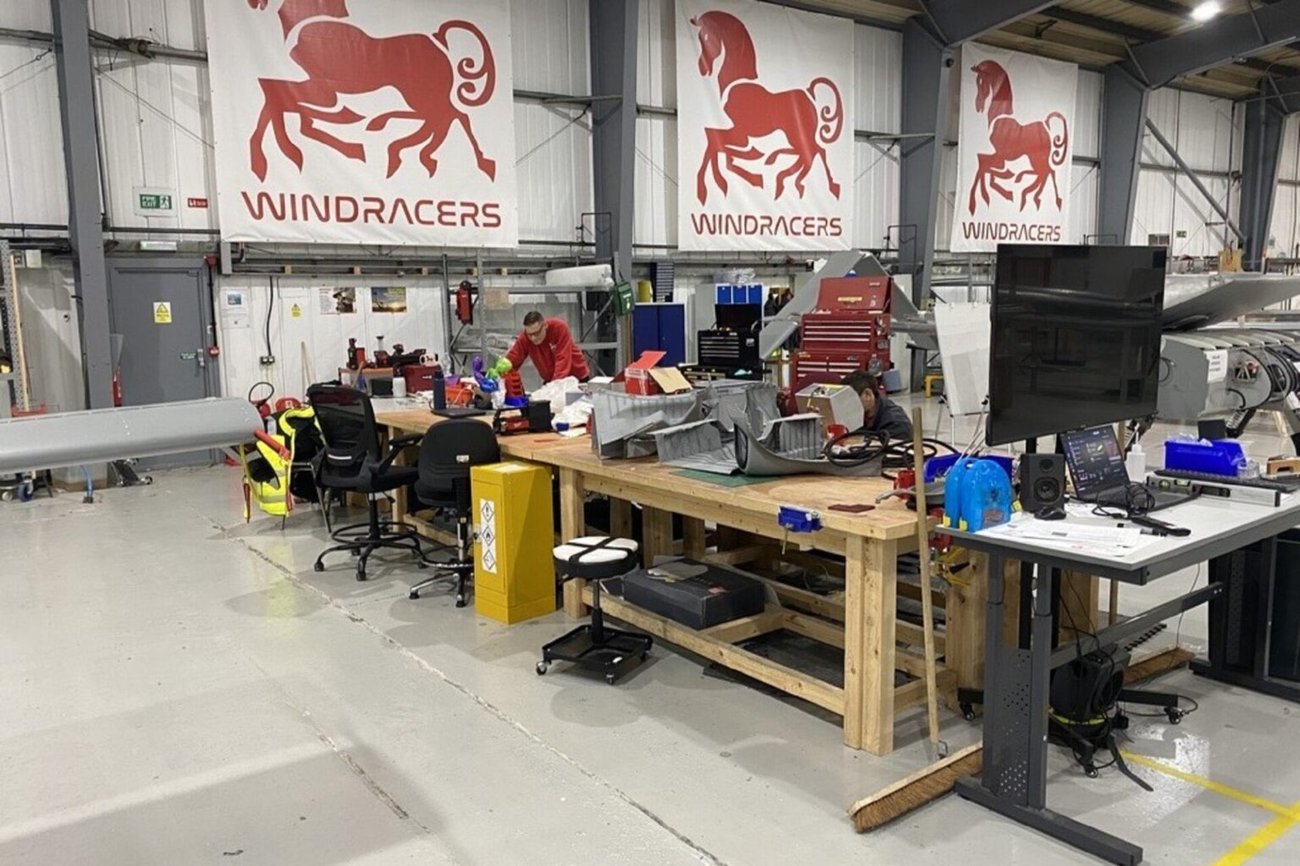
During a visit to the Windracers’ manufacturing and maintenance facility in December 2025, AeroTime had the opportunity to speak with Chairman and Founder, Stephen Wright about the drone developer’s progress.
Wright, who is also a founding partner of the private equity firm STAR Capital Partners, started exploring the idea of Windracers in 2015, with the company then becoming fully established in 2016 after securing a contract with Southampton University to work on the drone’s design.
Having previously worked within the developing world sector and in transportation economics, Wright said that the final piece in the puzzle was with a conversation with a friend, who he described as a “garage tinkerer of Olympic scale”.
“He was building drones, and I talked to him on several occasions about what they could do, and the three things coalesced,” he said. |
|
|
Fixed-wing rather than rotorcraft |
|
|
|
From the beginning, Wright wanted to build a long range, high payload drone, even though at the time “a lot of the market was looking at short and small payloads”.
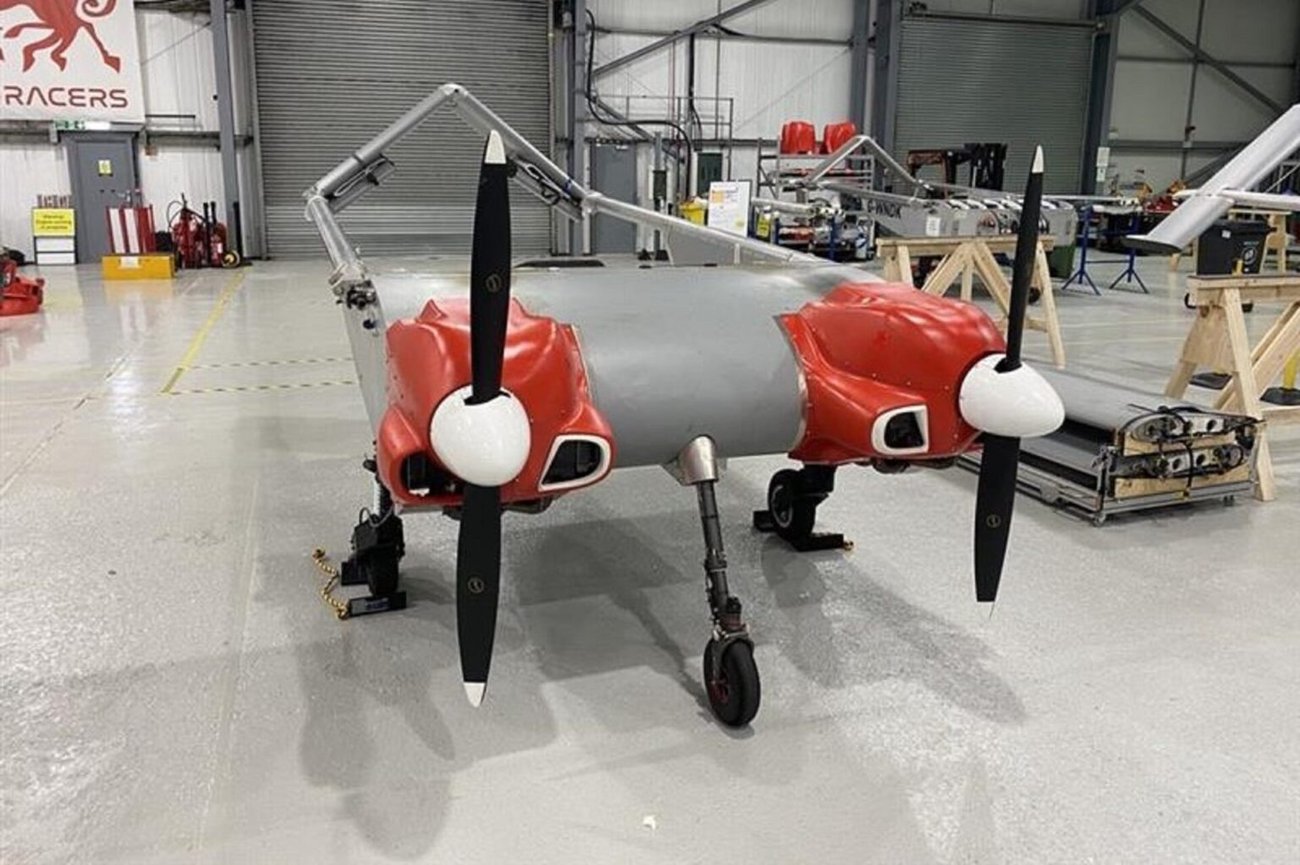
Wright explained that key to the ULTRA design was that it was fixed-wing rather than reliant on rotor technologies.
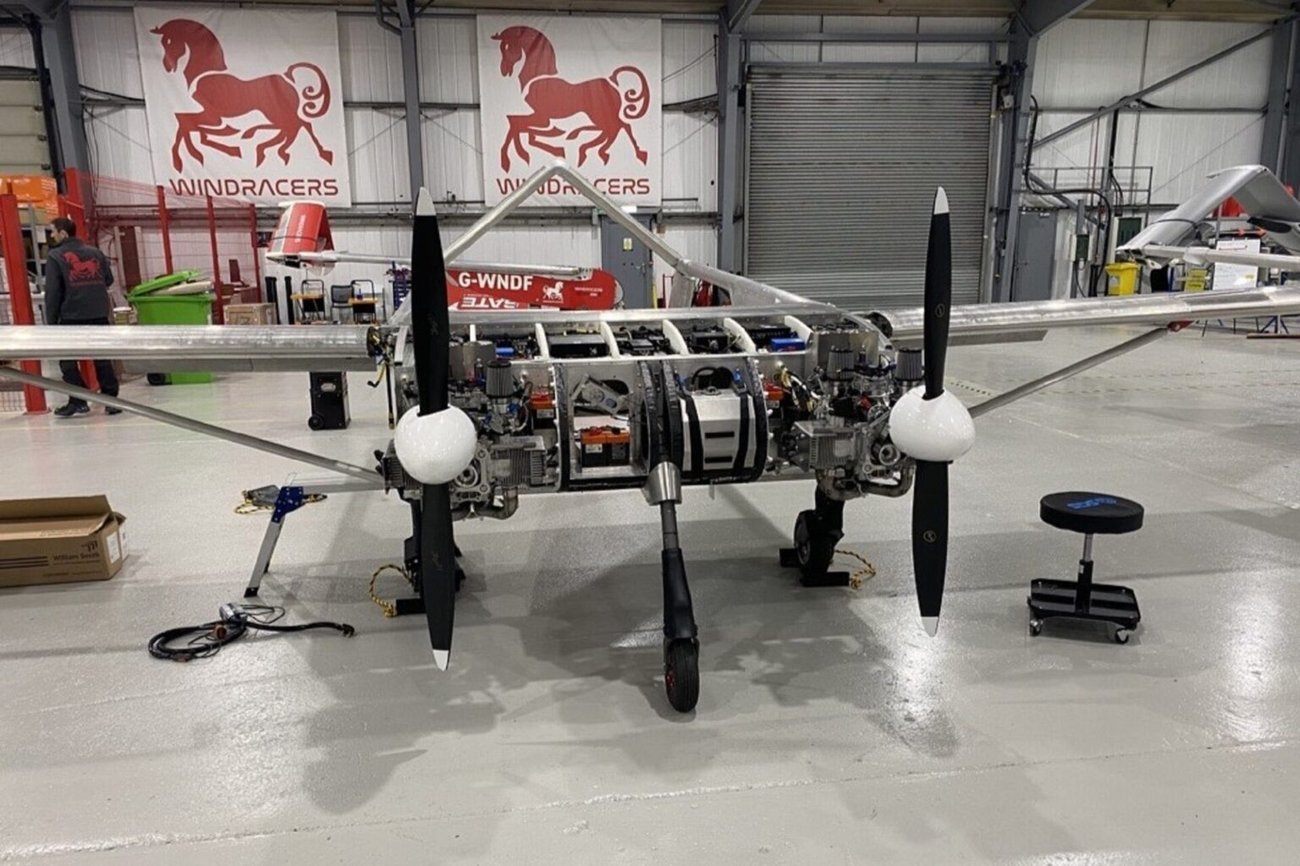
“I needed a lot of persuading to ignore 100 years-plus of aviation engineering development, so that for me was quite a strict choice – with petrol engine aircraft versus electric,” he said. “For me, that’s just a question of physics. Hopefully, there’ll be developments with electric engines, which will make them competitive but at the moment for what we’re trying to do is it doesn’t fit.”
Another important early decision was that the drone should be fully autonomous, requiring Windracers to design its own avionics. |
|
|
|
|
|
“This means we can actually adapt, and we’re changing the avionics nearly every week. We’re coming out with an enhancement, mainly in response to what’s happening out in Ukraine. And again, doing it all in house rather than buying it in has turned out to be a really good decision,” Wright added.
The ULTRA MK2 was recently tested on a 2,000km flight carrying a 100kg payload, and there are plans to develop a new multi-mission drone, capable of travelling 2,000km with a 200kg payload.
The company’s roots were established in finding low-cost solutions to deliver humanitarian assistance around the globe but have since expanded to serve a wide range of operations.
We’re actually only at the foothills of this technology. I have in my mind a roadmap of what it can do and where it can really transform logistics in both the developing world and the developed world. And I really want to roll out that vision,” said Wright. |
|
|
|
|
|
Since its inception, Windracers has partnered with leading organizations such as the British Antarctic Survey, NORCE, Aviation Sans Frontières, and the UK Ministry of Defense.
As a multi-mission aircraft, the MK2 can be adjusted in minutes to deliver, drop or detect depending on mission requirements.
When asked whether, at the start of project, he could have perceived that Windracers’ UAV would be deployed on such varied missions, Wright said that he had always wanted to “create the Jeep of the skies”.
“It’s a deliberate strategy choice right back in 2017. There’s a lot of drone manufacturers making specialized drones for a particular application. We went to the opposite end of the specter,” he said. “I had a strong requirement, a model team philosophy, that everybody gets the same aircraft. You can have any aircraft you want, as long as its ULTRA. I want to have the same platform because that’s the key to get to scale – but make it so it’s capable of doing lots of different missions.” |
|
|
|
|
|
He added: “I always felt that I deliberately took that approach, but the diversity of the activities we’ve done with the aircraft has surprised and that’s quite pleasing.”
In September 2025, Windracers signed a Memorandum of Understanding (MoU) at DSEI to explore the potential of deploying its ULTRA UAV across India.
The agreement was signed with Bharat Forge, with the two companies agreeing to address emerging requirements for drones across the Indian military and civil sectors.
With the signing of the Bharat Forge contract and Windracers’ ongoing partnership helping Ukraine military, defense has become an increasingly important sector for the drone developer.
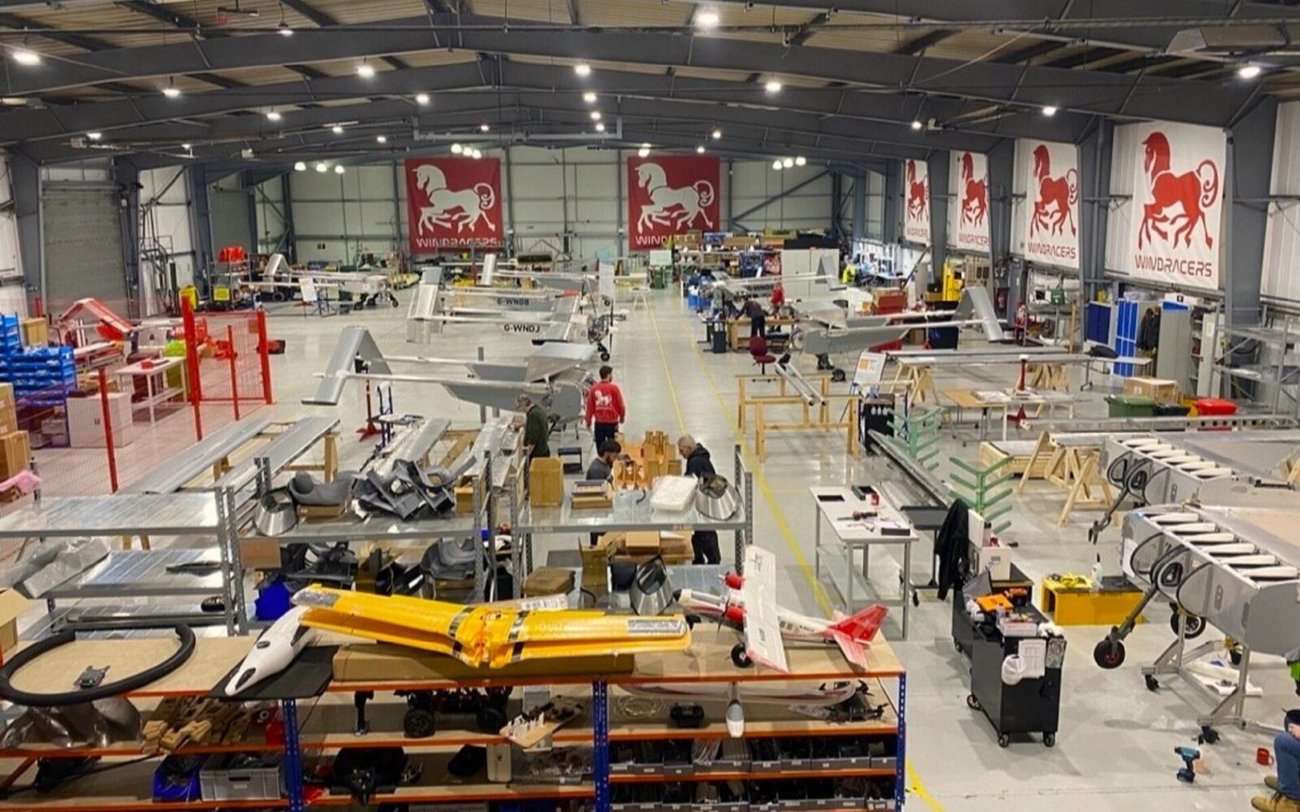
“This is why we’ve got 12 aircraft sitting in the facility. I think if we remained a totally civil company, it would be questionable whether we’d survive. I think it is very important to be in military and it’s a drive forward […] At one point that will stop and then you’ll need the civil activity to pick up too. At the moment it’s military, so we have to go with that,” explained Wright.
He added: “The developments we’re making in Ukraine, within military, are feeding directly into the humanitarian role and it’s allowed us to have the capability to do the humanitarian [work].” |
|
|
|
|
|
|
In November 2025, the Windracers ULTRA was presented in the UK Parliament of Houses, following an exclusive invitation from the Ministry of Defense.
The UK government has worked closely with Windracers since the first drone was delivered to Ukraine in 2023.
According to the Minister for Armed Forces, Al Carns, the UK has spent over $805 million (£600 million) on supplying Ukraine with drones, including 20 built by Windracers.
“We are the only UK-owned non-prime drone company. It’s something we like emphasizing because some of the other drone companies which get support aren’t British companies so, we’re quite proud of that,” explained Wright.
“We’re in a market of one now. This won’t last. I’m very sure other platforms will be developed to compete with our capability, but we’re in a unique space at the moment because of those decisions taken eight years ago. The decisions other companies made put them into a different end of the market. But we’re in a space of our own, and then the market comes to us, which is great,” he said.
|
|
|
|
|
|
Windracers are aiming to produce 10 ULTRA drones each month in 2026, and 20 a month in 2027.
To increase production levels to 20 a month Windracers would need an even larger facility, and Wright is open to manufacturing drones abroad (as well as in the UK) in the future, with India a strong contender following the partnership with Bharat Forge.
“If we can get this technology out, handling everybody’s day to day transportation, we can really make a difference to the life of the man in the street, whether it’s the man in the street in the UK or in India or in Madagascar,” he explained.
Wright is particularly enthusiastic about the engineering sector in the UK as a whole and wants more firms to “bang the drum and say how brilliant they are”.
“You forget that in the UK there is a lot of engineering expertise. They’re normally small firms. I think the demise of British engineering is slightly overdone,” he said.
In September 2025, Windracers gained approval from the UK’s Civil Aviation Authority (CAA) to launch the country’s first international UAV flight for civil purposes. |
|
|
|
|
|
Approval from the CAA was granted on September 16, 2025, alongside Luftfartstilsynet, the Civil Aviation Authority of Norway, allowing the ULTRA drone to fly beyond visual line of sight (BVLOS) from Tingwall Airport (LWK) in the Shetlands to Haugesund Airport (HAU) in Norway.
The flight scheduled for March 2026 will help Windracers to prove ULTRA’s capabilities across international airspace – opening new possibilities for connecting remote communities and delivering essential services.
One such community is the residents living on the Orkney Islands, where Wright hopes to one day provide a delivery cargo service using an ULTRA drone. |
|
|
|
|
|
In 2024, Windracers was given regulatory approval by the CAA to perform a two-month trial on the Orkney Islands between Eday, Westray and North Ronaldsay.
According to Wright, as far as he is aware there are currently no scheduled cargo services in the world by drone and wants the UK to lead the way.
“This game is still open, but we need to really pursue it dynamically. We could get out and run a scheduled service and be the first in the world, in the Orkneys tomorrow, if we’re allowed to do it. We can take a lead in this industry. Let’s just get ahead and do it, and then it will happen. I think it can be done somewhere like the Orkneys and it can be done very, very safely. We’d have a world first on our hands,” he concluded. |
|
|
|
|
|
|
|
|
Unsubscribe from AeroTime's newsletter
AeroTime, Building 9, Vantage West, Central Park, Dublin 18, , Ireland |
|
|
|
|